Tag: red leaf lettuce

  • Fall 2021 – CSA Week 5

    Your shares include the following produce from our farm, and our partner producers farms:

    • Collard Greens, bunch
    • Purslane, bunch
    • Fresh Roselle Hibiscus
    • Grapefruit
    • Sweet Potato Fingerlings
    • Cucumbers – Worden Farm
    • Lettuce – Worden Farm
    • Shishito Peppers – Worden Farm
    • Chestnut – High Springs Orchard

    Did you know?

    Purslane is commonly known as a weed, but in fact, it’s a highly nutritious leafy green vegetable! It is loaded with antioxidants, minerals, omega-3 fatty acids and beneficial plant compounds. It’s slightly sour taste makes a great addition to salads or sandwiches.

  • Winter CSA – Week 9

    This week we’re planning to include the following produce in your CSA share, all from our farm!

    • Carrots, loose
    • Cabbage, green baby
    • Chard, Rainbow, bunch
    • Dill, bunch
    • Kohlrabi, with greens
    • Snow Peas
    • Lettuce, Red Leaf
    • Tokyo Turnips, loose
    • Murasaki Sweet Potatoes

    We have lots of ingredients for a great stir-fry this week! Here’s a simple method for the veggies: Chop cabbage, kohlrabi and carrots. Stir-fry veggies and onion with a couple tablespoons oil of choice in a skillet or wok over medium heat. Stir frequently until veggies are slightly browned, 5-10 minutes. Add pieces of grated turmeric and garlic, snow peas and a generous splash of soy sauce (coconut aminos or tamari are yummy too). Stir for another minute or two. Enjoy over rice or noodles, garnish with sesame seeds and scallions, if you desire.

    Rosemary-Roasted Root Vegetables Agrodolce – from Food and Style

    Ingredients
    • 12 oz carrots
    • 12 oz beets (or use murasaki sweet potatoes from share)
    • 3 tablespoons white balsamic or champagne vinegar
    • 1 tablespoon honey (or cane syrup)
    • 3 tablespoons extra virgin olive oil
    • 2 tablespoons of coarsely chopped rosemary
    • 3/4 teaspoon fine sea salt
    • freshly ground black pepper to taste
    Directions
    1. Preheat oven to 375 ºF (245 ºC).
    2. Place the root vegetables in the roasting pan. Drizzle with the vinegar, honey and olive oil and sprinkle with the rosemary, salt and pepper. Toss well with your hands and spread the vegetables in a single layer. Cover tightly with aluminum foil and bake for 20 minutes until tender. Remove foil, toss the vegetables with wooden spoons and spread in a single layer. Return to oven, uncovered, and bake for another 20 to 25 minutes until golden-brown, tossing the vegetables once during that time. Serve piping hot!

    Don’t fear eating turnips raw!

    Their crunch is accompanied by a mild, earthy, bitter-sweet flavor; Shred or grate green cabbage, carrots, peeled Kohlrabi bulb, turnip roots, and dill, and toss lightly in equal parts oil & vinegar, salt & pepper. Garnish with scallions for a perfect, crunchy side dish! I also thinly slice turnip root to spruce up my salad toppings.

    Loving this warm weather! Have a great week, everyone!

  • Fall CSA Week 10

    Happy Holidays from the Frog Song Team! Wishing you all a safe, healthy and happy Holiday Season and New Year!

    Our final share of the Fall Season will include the following items:

    • Red Leaf Lettuce – Frog Song Organics
    • Green Leaf Lettuce – Worden Farm
    • Tokyo Turnip, bunch – Frog Song Organics
    • Jalapenos – Worden Farm
    • Dill, bunch – Frog Song Organics
    • Cherry Tomatoes – Worden Farm
    • Turmeric Root – Frog Song Organics
    • Lemon – Frog Song Organics
    • Murasaki Sweet Potatoes – Frog Song Organics
    • Seminole Pumpkin – Worden Farm (save your seeds!)

    Turnips and dill make a great flavor combination! This hearty Lentil Soup contains lots of veggies and will be perfect on a winter day. https://www.thesophisticatedcaveman.com/lentil-soup-with-turnips-and-dill/

    A jar of pickled jalapenos doesn’t last long in my house! I add them to sandwiches, tacos, salads, soups and chili! This recipe makes enough for a couple jars. Pickles make a great homemade gift, or save them to warm yourself up on a cold winter’s day! https://www.mexicanplease.com/taqueria-style-pickled-jalapenos-carrots/

    Start your mornings with a cup of immunity! Turmeric and Lemon make a healthy elixir which is very beneficial first thing in the morning. This healing beverage can reduce inflammation, improve digestion and fight infection. Bring a cup of water over high heat and remove just before boiling. Add sliced or grated fresh turmeric root, juice of half a lemon, and a touch of natural sweetener, if you wish (I recommend our Pure Cane Syrup or honey).

  • CSA Share: Week 5, April 3-6

    Welcome to April. We are on our 5th week of the season and excited to bring you this colorful and bountiful harvest of: Rainbow Chard, Tokyo Turnips, Mizuna, Sweet Onions, Baby Fennel, Napa Cabbage, Sweet Baby Carrots, Red Leaf Lettuce and Loquats from our friend Jenny, down the road at High Springs Orchard.

    Love the Loquats? Join us this weekend, April 5,6 and 7th in High Springs- for a Loquat U-Pick: Fri, Sat and Sun from 10-5 or until they are all gone $3/lb. More info on our Facebook Page.

    The Loquat or “Japanese Plum” originates from China and thrives in north Florida’s temperate climate. It’s flavor is described as a mixture of peach, citrus and mild mango and is most popular used in jams, preserves and makes a deliciously sweet light wine.

    The orange Loquat fruits grow in clusters of 5 to 10 and are harvested in early spring. These fruits have a light edible skin (altho most recipes tell you to remove the skin, you really don’t need to) and contain two to four large smooth seeds. The seeds can be saved to make Nespolino- an Italian liqueur and the large, evergreen leaves hold medicinal benefits and can be brewed into a tea. The tree is propagated through seed and usually starts to produce fruit 8 to 10 years after planted. Save your seeds they grow very well here in full sun and well drained soils, they are also very hearty, wind and drought resistant.

    As rare of a fruit as these may be, they are quite common up here in the Gainesville area. I have several on my property. Like everything else, they have good years and bad years. Last year there were none. This year the trees are covered in bright orange clusters and the squirrels and birds are kind enough to share. We have so much that we are considering making some Loquat wine this weekend. I will let you know how it goes.

    They are simple to eat, just pop them in your mouth and spit out the seed, bake them in crumbles, or they make a great topping on ice cream. They are very similar to apricots so use them as a apricot substitute in your favorite recipe.

    Loquat Vinegarette Dressing –https://www.paleoscaleo.com/loquat-vinaigrette-dressing/

    The Florida Crumble- Loquat & Strawberry Crumble

    Ingredients

    • 1.5 cups loquats, peeled, seeded and roughly halved or quartered
    • 1.0 cups fresh strawberries quartered
    • 1 cup sugar, divided
    • 2 Tablespoons finely chopped crystallized ginger
    • ¾ cup all purpose flour
    • ½ cup chopped macadamia nuts
    • pinch salt
    • ½ cup salted butter

    Instructions

    1. Preheat oven to 350 degrees.
    2. Toss the loquats with the ginger and ¼ cup of the sugar. Pile into a pie plate.
    3. Combine the remaining ¾ cup sugar with the flour and salt and macadamia nuts. Cut in the butter using a pastry blender (or a food processor on pulse), until the mixture resembles wet sand.
    4. Sprinkle over the fruit, and bake 35 minutes.

    Rainbow Chard is just colorful varieties of swiss chard, which is a relative of the beet, but unlike traditional beets – which put their energy into producing colorful roots – chard instead produces big, tender leaves and colorful crunchy stalks. Chard is cooked similar to spinach, sauteing and adding to casseroles and quiches.

    To saute- Roughly chop the leaves and finely chop the thicker stalks; this helps the two parts cook in about the same time. Generally, any flavor that works well with spinach will partner with chard, including butter, lemon, cream, garlic, shallots and vinaigrette. If you do nothing more than briefly steam or saute the chopped chard, and toss it with any of those, you’ll have a great side dish.


    Rainbow Chard, Bacon and Brie Quiche

    Start to finish: 40 minutes (20 minutes active)

    Servings: 6

    1 prepared uncooked pie crust

    8 ounces bacon, cut into small chunks

    1 small yellow onion, diced

    6 cups chopped rainbow chard (about ½ bunch)

    5 ounces brie, cut into small chunks

    8 eggs

    ⅓ cup milk or fat-free half-and-half

    2 teaspoon chopped fresh thyme

    ½ teaspoon salt

    ¼ teaspoon ground black pepper

    Heat the oven to 450 degrees F.

    Unroll the pie crust and set into a pie pan, crimping and trimming as needed to form an even edge. Set aside.

    In a large skillet over medium-high heat, combine the bacon, onion and chard. Cook until the chard has wilted and released water, about 6 minutes.

    Let the bacon mixture cool slightly, then use a slotted spoon to transfer it to the crust, arranging it in an even layer. Scatter the brie evenly over it.

    In a large bowl, whisk together the eggs, milk, thyme, salt and pepper.

    Pour the egg mixture into the tart shell, then bake for 25 minutes or until puffed and set at the center and lightly browned at the edges.

    If the crust browns too quickly, use strips of foil to cover the edges.

    Purple Mizuna- Mizuna is an Asian green that is commonly found in baby lettuce mixes. This mild tasting green can be enjoyed raw or cooked. Give it a good wash and spin it dry and toss it in with the red leaf lettuce from your share for a colorful spring salad or saute it (for just a few minutes) with the rainbow chard, garlic and olive oil for a tasty, simple and vibrant side dish.

    Fennel has a crunchy texture and mildly sweet, licorice-like flavor, making it a pleasant addition to any dish, whether eaten raw or cooked. You can eat all parts of the fennel however the bulb is most commonly used in recipes while the fronds make beautiful garnishes and edible arrangements. Fennel will stay fresh in the refrigerator for about a week however, it loses its flavor over time. If its been in your fridge for quite some time not to worry, it makes a great soup or soup stock. Here’s just a few things you can do with your fennel.

    • using the stalks as a soup base or stock
    • sauté the leaves and stalks with onions for a quick and easy side
    • mix sliced fennel with a variety of your favorite fresh vegetables for a light, crisp salad
    • serve roasted fennel bulbs as an entrée

    Carrot-Fennel Bisque

    Ingredients


    • 1 tablespoon butter
    • 1 tablespoon extra virgin olive oil
    • 1 clove garlic, peeled
    • 1 small onion, peeled and diced
    • 1 rib celery, diced
    • 1 bulb fennel, chopped (fronds reserved)
    • 1 ½ pounds carrots, peeled and coarsely chopped
    • 1 tablespoon fresh ginger, peeled and chopped
    • 4 cups chicken or vegetable stock
    • ½ teaspoon ground coriander
    • ½ teaspoon ground ginger
    • ¼ cup honey
    • ¾ cup half & half or coconut milk
    • Kosher salt
    • Freshly ground pepper
    • pinches crushed red pepper


    Directions


    • Heat butter and olive oil in a large heavy-bottomed soup pot.
    • Add garlic, onion, celery, fennel, carrots and ginger. Saute for 10 minutes, stirring frequently.
    • Add stock, bring to a boil, then cover and lower heat to a gentle simmer. Let simmer for 30 minutes, until all vegetables are soft and tender.
    • Remove from the heat. Add coriander, ginger, crushed red pepper and honey. Let cool slightly.
    • Puree soup in batches in a regular blender until very smooth. Return to pot.
    • Add half & half, and season to taste with freshly ground black pepper and kosher salt.
    • Serve in bowls or mugs with a garnish of chopped fennel frond.


    Napa Cabbage commonly known as Chinese cabbage is a sweet and crunchy cabbage with thin, tender leaves. It is popular addition to soups and stir fry’s but I favor it raw, it is so sweet and crisp.

    Tokyo Turnips, Hakurei or salad turnip- A sweet, small, mild tasting turnip tender enough to eat raw in salads. These dainty turnips are best described as a cross between a radish and a turnip. Eat them raw or give them a little heat- the buttery flavor of this turnip comes out when cooked or roasted.

    Miso Roasted Japanese Turnips- https://foolproofliving.com/miso-roasted-japanese-turnips/

    Napa Cabbage & Turnip salad in a Buttermilk Dressing

    The dressing is a simple blend of buttermilk, apple cider vinegar, a touch of mayo, shallots, sugar, salt and pepper but the flavor is anything but.

    Dressing:

    1/2 cup well-shaken buttermilk

    2 tablespoons mayonnaise

    2 tablespoons cider vinegar

    2 tablespoons minced shallot

    1 tablespoon sugar

    3 tablespoons finely chopped chives

    Salad:

    1 pound Napa cabbage, cored and thinly sliced crosswise (4 cups)

    6 radishes, diced

    2 celery ribs, thinly sliced diagonally

    Whisk together buttermilk, mayonnaise, vinegar, shallot, sugar, 1/2 teaspoon salt, and 1/4 teaspoon pepper in a large bowl until sugar has dissolved, then whisk in chives.

    Toss cabbage, radishes, and celery with dressing.

  • Holiday CSA Share December 19-22


    The last week of the fall season has arrived.. Your Holiday Share includes: Baby Red Leaf Lettuce, Sweet Potatoes, Purple Potatoes, Turmeric, Red Radishes, Red Bok Choy, Sugar Cane, A Chinese Honey, and some Delicious recently crafted Pure Florida Cane Sugar.

    Chinese Honey- or what I like to call “Swamp Citrus.” These mandarin-like citrus are out of my very own backyard. I grew up eating these fruits and in the winter months it’s basically a staple in my diet I will eat up to 10 or more a day. The trees can be propagated by seed, so save the seeds and put them somewhere to dry until you can plant them in spring. All of our citrus trees were planted from the seeds of the first fruits off of our trees back in the early 80’s. My dad got some of the beautiful honeys from a man who lived on the west side of Newnans lake in Gainesville Florida. We planted them on the East side of the lake where we live and they flourished in the rich swamp mud. They grew underneath a cypress canopy so in order to get the sunlight they had to grow up rather than bush out like most grove citrus. Some trees  are close to 30 feet tall. To pick the fruits we have to get on a ladder on top of our truck with a citrus picker, it’s quite a scene, not to mention all the cypress needles that shower you when you are trying to pick that perfect golden honey. Enjoy the fragrant oily rhind, you can simmer the peel in a cast iron skillet on the stove with some cinnamon and other spices for a true holiday aroma. Sadly this staple of my childhood is coming to it’s end and all of our trees have been affected with citrus greening. The greening disease causes the fruit to yellow and drop off of the tree before maturity. The tree starts to die branch by branch until it no longer puts off fruit. Much of Florida’s citrus industry is under attack however, things are looking up, as IFAS finds ways to treat trees affected with greening.

    Red Choy- Use this red/purple colored bok choy as you would the traditional green variety- Lightly saute or stir fry with some garlic, also great in soups.The leaves and stems are thinner than the “soup spoon” stalks of traditional bok choy.

    Turmeric- This superfood can be used to add yellow color or orange and mild flavor to a broad range of dishes including smoothies, soups, rice dishes, omelettes, and more. I think Turmeric is one of those tastes that are not that appealing at first but you learn to love it, at least that’s the way I feel about it. I would like to get addicted to drinking the Turmeric tonic  twice a day however every night before bed seems to be more realistic for me.

    Simply peel the skin off with a spoon, finely chop the turmeric (you can use a garlic press too) do it all at once and store in a small jar in the fridge so you have it easily accessible. Add 1-2 tablespoons of turmeric (depending on how much you like the taste), 1 tablespoon of honey, a squeeze of fresh lemon or 1 tablespoon of lemon juice to a coffee/tea mug of freshly boiled water.

    Like I said in order for me to drink this every night as a regiment I have to make it super easy. Go ahead and premix all of the turmeric, honey and lemon juice in a jar and then all you have to do in the morning/evening is add a few tablespoons of this elixir to your hot water. You can just feel the goodness radiating in that mug!

    Read more about the healing powers of Turmeric HERE

    Ancient Golden Milk Recipe

    Turmeric Latte

    Coconut Water Turmeric Shot

    Baby Red Leaf Lettuce- This tender and flavorful baby lettuce adds vibrant color to any salad mix. Try a very simple vinaigrette recipe pairing for your lettuce, like the one Chef Amy Secol recommended –Classic Vinaigrette Dressing.

    Purple Potatoes- These purple majestic potatoes are a radiant purple on the inside. Cook this thin skinned variety as you would any other potatoes, they will lose a bit of their rich color and transform to a light pale purple

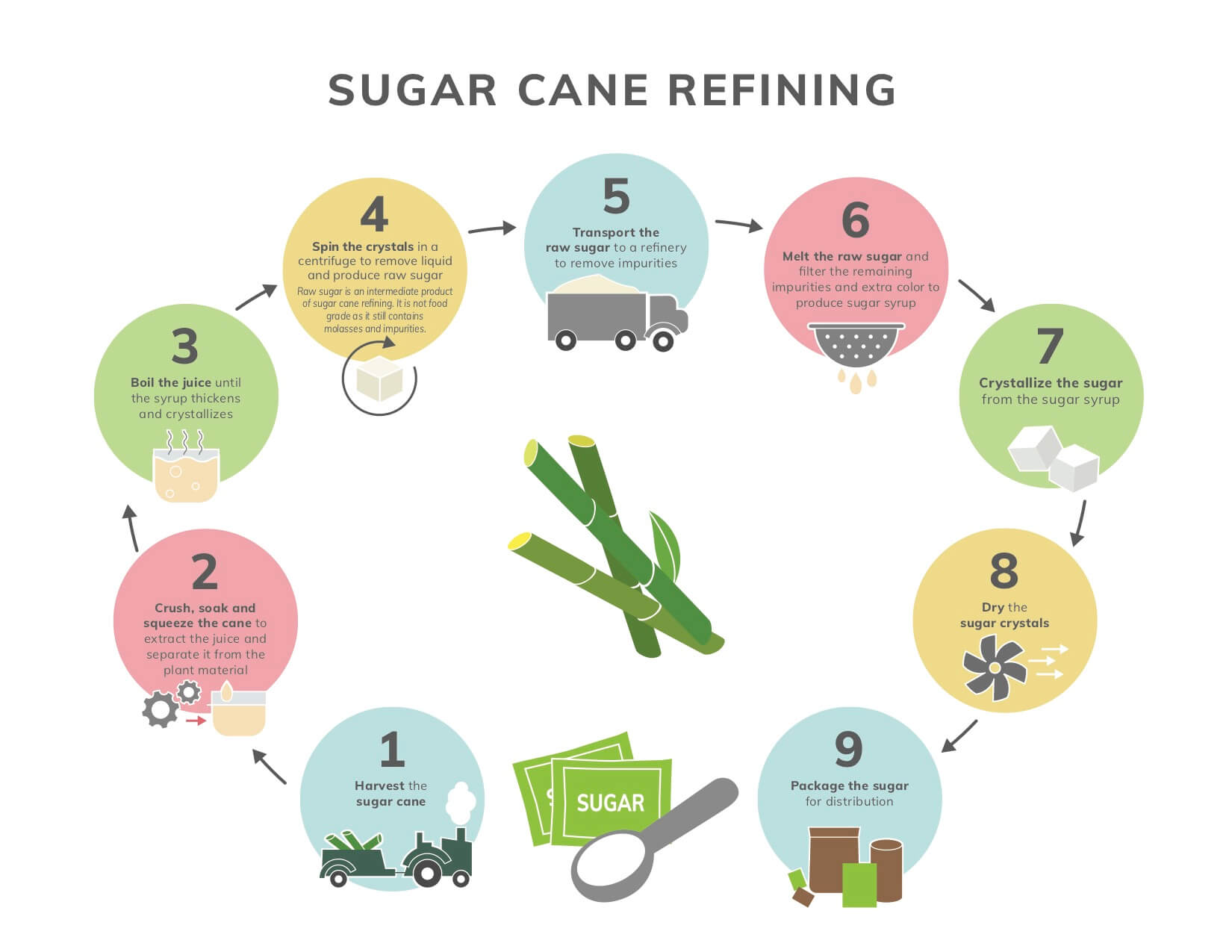
    Sugar Cane-   Sugar cane  is the number two commodity crop in our state, just under oranges and we are the number one state for sugar cane production in the country and fourth in the world so I thought it was very important for our members to see and feel what sugar looks like in its purest form. Here at We decided to start growing sugar cane primarily  as a wind and sun barrier for our crops, we harvest and sell the cane at the markets but it wasn’t until last week that we saw the true potential of this crop, when it was made into syrup. We are currently growing two different varieties of sugarcane, one is green and is best for milling and juicing (the kind we made into syrup) and the other- red variety is easy to peel and eat like the one we put in your share. The peel comes off with a tug (I hate to say it but teeth work best) peel the whole outer peel off and you are left with a sugary goodness inside, chop into bite size pieces or just chew it on the stalk and spit out the fiber.  Take a peek at the graphic below from Sugar.Org to see how table sugar is made from sugar cane.

    Cane Syrup- What are we going to do with all this sugar cane? In order to make that granulated sugar that is used in so many things you must send it off to be processed at one of the few sugar refineries in the United States, that is not in the cards for us so we decided to go to an older, southern method of making cane syrup. Mr T, our syrup maker,  is a retired man living in Ocala, Florida. He has spent several years making this cane syrup for the sole purpose of keeping this southern tradition alive. throughout the past few months he passed by our farm regularly to watch the progress and growth of our cane in hopes that he could make some of his delicious, pure southern cane syrup using our organically grown cane. This test batch was hauled off to Ocala last Thursday to be pressed and boiled in an open cauldron for several hours until it got to the right caramel color and thick consistency. Enjoy this cane syrup over waffles, pancakes, on smoked sausage, cheese toast or stir it in your beverages as a natural sweetener.

    Sugar Cane Candied Sweet Potatoes


    I just could wait to start experimenting with this delicious natural sweetener. The dark rich color of the syrup reminds me of brown sugar so obviously the first thing I think of when I cook with brown sugar is a sweet potato dish. Try this simple and delicious recipe…

    Ingredients:

    • Frog Song Pure Florida Sugar Cane Syrup
    • About 3 medium-sized unpeeled Sweet Potatoes
    • Coconut oil or Butter
    • Salt
    • Walnuts

    Bring to boil 4 quarts of water with a few pinches of salt.

    Wash and slice unpeeled sweet potatoes into round medallions.

    Boil the sweet potato medallions until they are tender but not yet falling apart (10 minutes)

    Transfer the medallions into a pie dish or baking dish.

    Add a few tablespoons of coconut oil (my preference) or butter- evenly distribute around the dish on the top of the medallions.

    Drizzle with cane syrup (about 2-3 spoon dips)

    Roast the walnuts by simply tossing 1-2 cups of naked walnuts in a pan over medium-high heat for about 5-6 minutes until they are warm, browned and crispy.

    Sprinkle the toasted walnuts over the cane syrup drizzled medallions and bake in the oven at 375 f for 10-15 minutes. Serve. Try some other flavors with some fresh goat cheese or even some vanilla bean ice cream.